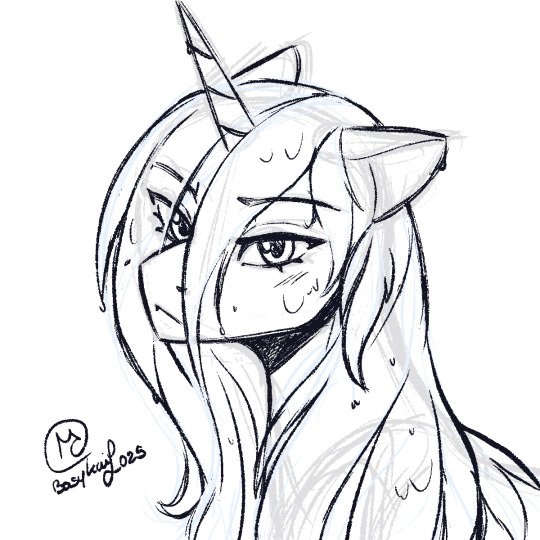
You've got a fantastic idea bubbling: a unique pony, a compelling backstory, a cutie mark with a secret meaning. You've created an Original Character (OC) for the My Little Pony universe, and now the real fun—and challenge—begins: Integrating MLP OCs into Fanfiction & Role-Play. It’s not just about dreaming up a new face; it’s about weaving them seamlessly into the rich tapestry of Equestria or crafting a whole new one, making them feel as real and vibrant as the canon characters you adore. This isn't just a guide; it's your playbook for making your OC shine, whether on the page or in a dynamic role-play scenario.
At a Glance: Key Takeaways for OC Integration
- Build Deeply: Your OC needs a robust personality, flaws, and a compelling backstory that justifies their existence in your narrative.
- Define Their Purpose: Understand why your OC is in the story or role-play. What unique role do they fill?
- Respect Canon (or Deviate Thoughtfully): Decide how your OC interacts with established lore and characters. Will they complement, challenge, or create an alternate reality?
- Give Them Agency: Your OC should drive their own plotlines, make meaningful choices, and face genuine consequences, not just react to canon events.
- Balance the Spotlight: If canon characters are present, ensure your OC doesn't overshadow them or become a "Mary Sue/Gary Stu" who solves everything.
- Collaborate Respectfully: In role-play, communicate with your partners. Understand their OCs and contribute to a shared, evolving story.
- Seek Feedback: Share your OCs and writing for constructive criticism to help them grow and resonate with others.
The Heart of Equestria: Why OCs Matter
Why bother with OCs when Equestria is already so full of beloved characters? The answer is simple: creative freedom and personal connection. Original Characters allow you to explore untold stories, delve into different corners of Equestria, or even craft entirely new worlds inspired by its spirit. They offer a unique lens through which to examine themes, push boundaries, and introduce perspectives that the existing cast might not cover.
For many, OCs are a deeply personal extension of their love for the franchise. They let you, the creator, truly leave your mark on a universe you cherish. The FimFiction group "All-OC Stories," for instance, celebrates this very idea, focusing on tales "in which most of the important characters are OCs." It's a testament to the community's desire to expand beyond the Mane Six and explore countless new possibilities. Maybe your story demands a new kind of magic, a different pony species, or simply a fresh protagonist to embark on an epic quest. OCs unlock that potential.
Laying the Hoofwork: Crafting Your OC's Foundation
Before your OC can gallop onto the stage, they need to be fully fleshed out. Think of it as building a house: you can't just put up the roof without a strong foundation.
Beyond the Sparkle: Personality & Traits
A compelling OC is more than just a pretty design; they're a fully realized individual. What makes them tick?
- Core Values & Beliefs: What do they stand for? What principles guide their actions? Are they honest, ambitious, compassionate, cynical?
- Flaws & Weaknesses: Crucially, your OC must have flaws. No one is perfect, and imperfections make characters relatable and interesting. Are they impulsive, overly trusting, insecure, prone to jealousy, or perhaps a bit clumsy? These flaws create conflict and opportunities for growth.
- Quirks & Habits: Small details bring characters to life. Do they hum when they're nervous, collect strange trinkets, always offer advice, or have a peculiar way of speaking?
- Motivations & Desires: What do they truly want? This is their driving force. Is it fame, friendship, knowledge, peace, adventure, or simply a quiet life?
- Fears & Insecurities: What keeps them up at night? What are they afraid of losing or failing at?
The Mane Event: Visual Design & Backstory
Their appearance should tell a story, and their past should inform their present.
- Visual Aesthetics: Consider their species, coat color, mane and tail style, eye color, and unique markings. How do these elements reflect their personality or origin? Is their mane always perfectly coiffed, or is it perpetually tangled from adventuring?
- Tip: While creativity is key, too many conflicting colors or overly elaborate designs can be distracting. Aim for visual cohesion that speaks to their character.
- For deeper dives into
designing unique MLP OC visuals, consider how their physical form can express their personality before they even speak. - Cutie Mark & Special Talent: This is fundamental in MLP. What is their special talent? How did they discover it? Is it something grand like magic or a specific craft, or something more subtle like finding lost items or comforting others? The cutie mark should visually represent this talent.
- Backstory: This is the bedrock of your OC. Where are they from? Who are their family and friends? What significant events shaped them into who they are today? Did they face a particular struggle, achieve a great triumph, or experience a pivotal moment that altered their path?
- A rich backstory provides depth and context for their current actions and motivations. It explains why they are the way they are.
- If you're looking for feedback on
crafting compelling backstoriesor their overall design, communities like the "Original Character Help" forum on MLPForums.com are excellent resources. They're specifically designed for getting feedback on "a successful Original Character with a robust and memorable backstory and visuals."
The Narrative Niche: Finding Your OC's Purpose
This is where the "integration" truly begins. Your OC shouldn't just exist; they should belong.
- Why are they here? What specific role do they play in your story or role-play? Are they the protagonist, an antagonist, a crucial ally, a wise mentor, or a comic relief character?
- What unique perspective do they offer? Do they challenge existing ideas, shed light on an unexplored aspect of Equestria, or fill a narrative gap?
- What conflict do they introduce or resolve? A good OC isn't static; they contribute to the plot's progression.
Seamless Integration: Weaving OCs into Fanfiction
Fanfiction offers a wide canvas for your OC to shine. The key is making them feel like an organic part of the narrative, not just an insert.
The Canon Conundrum: When to Include, When to Stand Alone
Deciding how your OC interacts with the canon universe is paramount.
- OC-Centric Stories: These stories place your OC firmly in the spotlight, with canon characters taking minor roles or no roles at all. This approach is liberating, allowing you to build new societies, explore different continents of Equestria, or even completely alternate timelines. The "All-OC Stories" group on FimFiction explicitly caters to this, encouraging tales where OCs dominate. This is an excellent route if you have a grand vision that doesn't rely on existing character dynamics.
- OC + Canon Character Interactions: This is a popular choice, integrating your OC alongside the Mane Six or other established characters. The challenge here is
balancing OCs with canon charactersso that your original creation complements rather than overshadows them. - Defined Roles: Give your OC a specific, unique purpose that doesn't step on the hooves of the canon cast. If Twilight Sparkle is the Element of Magic, maybe your OC is a brilliant inventor or a master diplomat, offering a different kind of expertise.
- Organic Relationships: Develop believable relationships between your OC and canon characters. Are they old friends, new acquaintances, rivals, or mentors? These relationships should grow naturally, with interactions that feel authentic to both the OC and the canon character.
- Avoiding the "Main Character Syndrome": If you're writing a story with the Mane Six, ensure your OC isn't constantly saving the day while the canon characters stand by passively. Let canon characters contribute meaningfully to the plot. Your OC can be a vital part of the team without becoming the only one.
- Parallel Universe/Alternate History: Your OC might thrive in an Equestria subtly or significantly different from the canon. This allows you to bend lore, introduce new magical systems, or explore "what if" scenarios without strictly adhering to established events.
Plotting Perfection: Giving Your OC Agency
Your OC isn't a prop; they're a driver of the story.
- Goals and Conflicts: What does your OC want, and what obstacles stand in their way? These internal and external conflicts should be central to their arc. Their goals shouldn't just be to help a canon character achieve their goals.
- Meaningful Contributions: Your OC should contribute actively to the plot's resolution. Do they discover a vital clue, use their unique talent to overcome a challenge, or offer a critical perspective? Their actions should have tangible consequences within the narrative.
- Avoiding "Deus Ex Machina" Moments: Don't have your OC magically solve every problem with an unexplained power or convenient plot device. Their abilities and solutions should stem logically from their established character, backstory, and special talent. This ties into avoiding the "Mary Sue/Gary Stu" trap (more on that later).
- Plot Hooks: When brainstorming
plot hooks for your MLP fanfiction, think about how your OC's unique background or abilities could introduce new mysteries, challenges, or moral dilemmas that the canon characters haven't encountered. Perhaps their family history reveals a hidden threat, or their unusual talent leads them to a forgotten artifact.
World-Building Whispers: Expanding Equestria
OCs are excellent tools for world-building, allowing you to explore unexplored territories, forgotten histories, or the daily lives of different communities.
- New Locations: Introduce your OC from a village we've never seen, describing its culture, traditions, and unique challenges.
- Different Societies: Explore how non-pony species (griffons, changelings, yaks, etc.) live and interact, offering a fresh perspective on Equestria's diverse population.
- Lore Expansion: Perhaps your OC’s backstory delves into a lesser-known magical tradition or a historical event only briefly touched upon in canon. Just ensure any new lore feels consistent with the established world, even if it expands upon it.
Dynamic Play: Integrating OCs into Role-Play
Role-playing brings your OC to life through collaborative, improvisational storytelling. It's a highly interactive process where your OC's integration relies heavily on communication and respect.
The Harmony of Interaction: OC-on-OC and OC-on-Canon
In role-play, your OC isn't just interacting with text; they're interacting with other people's OCs and interpretations of canon characters.
- Respecting Other OCs: Every player is invested in their character. Treat other OCs with the same respect and thoughtfulness you want for your own. Engage with their backstories, react to their actions, and contribute to their narratives where appropriate.
- Canon Character Portrayals: If you're playing alongside canon characters (whether portrayed by another player or by yourself), strive for accuracy in their personalities and abilities. A sudden, out-of-character action from a beloved canon character can break immersion for other players.
- Collaborative Storytelling: Role-play is a shared narrative. Your OC's story intertwines with others. Be open to plot twists, challenges, and developments that might not have been part of your original plan but enhance the collective experience. This is where
tips for effective MLP role-play etiquettereally come into play; good communication prevents misunderstandings.
Building Bonds: Collaborative Storytelling
Effective role-playing is like improvisational theater – you're building a world together.
- Communication is Key: Before, during, and after a session, communicate with your role-play partners. Discuss plot directions, character motivations, and any boundaries. Use "out-of-character" (OOC) chat to clarify misunderstandings or suggest plot developments.
- Yes, And...: A fundamental rule of improvisation is to accept what your partner offers and build upon it. If another player introduces a new element or character action, try to incorporate it into your OC's response rather than shutting it down.
- Shared Stakes: Ensure your OC has a reason to be involved in the group's current dilemma or adventure. Their motivations should align with, or at least intersect with, the broader narrative being built.
Setting the Scene: Defining Your RP's Scope
Clarity upfront prevents friction later.
- Universe Rules: Are you playing in a canon-compliant Equestria, an alternate timeline, or a completely new setting? Clarify magic limitations, power levels, and the general tone (serious, comedic, dark, light-hearted).
- Power Levels: Discuss and agree on the general power level of OCs. An all-powerful OC can quickly make other characters feel irrelevant. A good rule of thumb is to create characters with strengths and weaknesses, ensuring challenges remain engaging.
- Character Limits: Some role-play groups have limits on the number of OCs, or specific types of OCs allowed. Always check group rules.
Common Pitfalls & How to Sidestep Them
Even seasoned creators can stumble. Being aware of these common traps will help you ensure your OC is well-received and genuinely integrated.
The "Mary Sue/Gary Stu" Trap
This is perhaps the most common pitfall. A "Mary Sue" (female) or "Gary Stu" (male) is an OC who is unrealistically perfect: universally beloved, exceptionally powerful, lacking significant flaws, and often solves every problem effortlessly. They exist primarily to fulfill the author's wish-fulfillment fantasies.
- Sidestep It: Give your OC genuine flaws, struggles, and limitations. Allow them to fail, make mistakes, and learn from them. Ensure their strengths are balanced by weaknesses, and that their successes are earned, not simply handed to them. Their special talent should be unique, but not so overpowered that it trivializes challenges.
The "Self-Insert" Misstep
While OCs are a personal expression, a "self-insert" takes it too far, making the OC a thinly veiled version of the author with little distinction or independent character. This often leads to the "Mary Sue" problem as the author projects their ideal self onto the character.
- Sidestep It: Create distance between yourself and your OC. Give them experiences, opinions, and traits that are distinct from your own. Imagine them as a separate individual with their own agency, motivations, and growth trajectory. Ask yourself: "Would my OC do this if I weren't the one playing/writing them?"
The "Canon Breaker" Blunder
An OC that fundamentally contradicts or ignores established lore without a compelling in-universe explanation (like an alternate universe) can be jarring for readers or players. This includes OCs who have abilities that negate the magic system, or relationships that directly contradict established canon events.
- Sidestep It: If you're playing in a canon-compliant setting, do your research. Understand the lore, magic rules, and character histories. If you must break canon for your story, ensure it's a conscious choice that's clearly communicated and serves a strong narrative purpose, perhaps by establishing an alternate universe from the outset.
Lack of Depth or Purpose
An OC who is merely "there" without contributing to the plot, challenging other characters, or evolving themselves risks being forgotten. They might have a cool design, but if they lack personality or motivation, they'll fall flat.
- Sidestep It: Revisit the "Personality & Traits" and "Narrative Niche" sections. Ensure your OC has clear goals, relatable flaws, and a unique role that justifies their inclusion. Every character should have an arc, even if it's a minor one.
Refining Your Sparkle: Feedback & Evolution
No OC is perfect from day one. Like any creative endeavor, they benefit from refinement and outside perspective.
- The Value of Critique: Share your OC concepts, character sheets, or fanfiction drafts with trusted friends or online communities. MLPForums' "Original Character Help" section is a fantastic place for this, providing dedicated space for "feedback or help on crafting a successful Original Character." Constructive criticism helps you spot blind spots, identify areas for improvement, and gauge how well your OC resonates with others. Be open to suggestions and willing to revise.
- Iteration and Growth: Your OC can evolve over time, just like canon characters do. As you write or role-play them, you might discover new facets of their personality, hidden talents, or unforeseen challenges that shape them. Embrace this organic growth. What starts as a simple idea can become a deeply complex and beloved character through continuous development.
Ready to Create? Your Next Steps
Integrating MLP OCs into fanfiction and role-play is a rewarding journey that blends creativity with community engagement. It’s about more than just making a new pony; it’s about crafting a character that feels real, that contributes meaningfully, and that enriches the universe you love.
Now that you have a comprehensive understanding of the principles behind effective OC integration, it's time to put hoof to paper, or hooves to keyboard.
- Refine Your OC: Go back through your character's traits, backstory, and visual design. Are they robust enough? Do they have compelling flaws and motivations? Think about
crafting compelling backstoriesthat truly define them. - Define Their Narrative Purpose: Clearly articulate why your OC exists in your chosen medium. How will they impact the story or role-play?
- Start Small: Don't feel pressured to write an epic saga immediately. Begin with short stories, character vignettes, or a focused role-play scenario to get a feel for your OC's voice and interactions.
- Engage with Communities: Join fanfiction groups, role-play servers, or forums like MLPForums.com. Share your ideas, seek feedback, and immerse yourself in the collaborative spirit of the MLP fandom.
- Unleash Your Imagination: If you're still looking for that initial spark, or need a new idea to kickstart your creative process, you can always Generate your MLP OC with a few clicks. It's a great way to brainstorm fresh concepts and get those creative juices flowing.
The world of My Little Pony is vast and ever-expanding, and there's always room for another spark of magic. Go forth, create, and let your OC's story unfold!