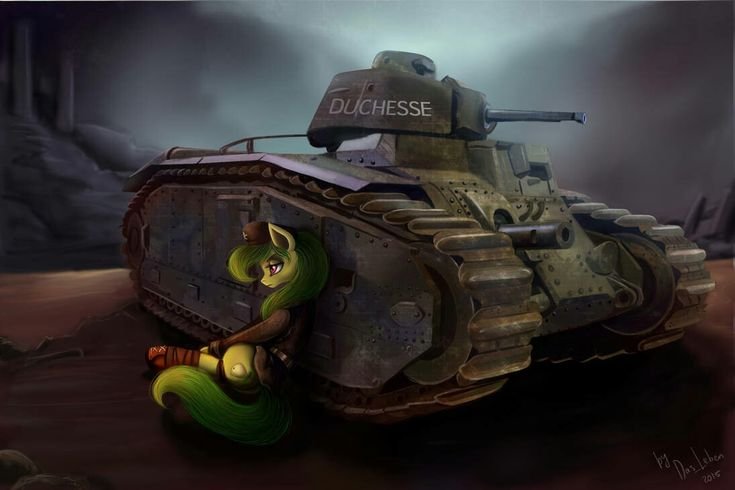
The vibrant world of My Little Pony has captivated hearts for decades, fostering a community where creativity flourishes. For many, this creativity culminates in crafting an Original Character (OC)—a personal pony, griffon, or even changeling that embodies a piece of themselves within Equestria. Mastering MLP Character Design Principles & Lore isn't just about drawing a cute pony; it's about expressing individuality, exploring narrative possibilities, and connecting with a global fandom on a deeply personal level. It's an art form blending design fundamentals with the rich storytelling fabric of Equestria.
At a Glance: Crafting Your Equestria Persona
- Self-Expression is Key: Your OC is a reflection of you. Start by understanding your own traits and passions.
- Lore Guides Design: A strong backstory informs everything from pony type to Cutie Mark, making your character feel authentic.
- Design Fundamentals Matter: Animation style, color theory, and basic anatomy are crucial for visual appeal and emotional resonance.
- Tools Empower Creativity: Whether traditional sketching or digital software, the right tools simplify and enhance the design process.
- Community Fuels Innovation: Online platforms offer invaluable feedback, resources, and inspiration, boosting creative output significantly.
- Cutie Marks Tell Tales: This iconic symbol represents a special talent or interest, or even an abstract quality, acting as your pony's personal emblem.
The Heart of an OC: Why We Create
There's a unique magic in designing your own My Little Pony character. It's more than just drawing a picture; it's an act of self-expression, a way to visualize a part of yourself or a story you wish to tell within a beloved universe. This journey allows you to explore personal style, engage with the characters you adore, and contribute to a vibrant, imaginative community.
Self-Expression: More Than Just a Design
At its core, creating an MLP OC is about understanding your personal traits and translating them into a character. Do you love adventure? Perhaps your pony is a daring pegasus. Are you a quiet artist? An earth pony with a passion for painting might be your perfect fit. This process of introspection allows you to craft a character that truly embodies your essence, making the creation deeply personal and meaningful.
Fostering Community & Connection
The MLP fandom thrives on shared creativity. Online communities, like forums and art sites, serve as dynamic platforms for sharing OCs, exchanging feedback, and collaborating on projects. These interactions aren't just fun; they're incredibly productive. Artists actively participating in these communities report a 40% increase in creative output, thanks to the continuous inspiration, constructive criticism, and collaborative opportunities available. It's a testament to how collective passion can elevate individual artistry.
Shaping Narratives, One Pony at a Time
Every well-designed character is a source of inspiration, not just for its creator but for others in the community. This ripple effect can spark new fanfictions, artworks, and even role-playing scenarios. Character design is inextricably linked to storytelling; a rich background and well-developed personality enhance narratives and can even influence story direction. Your OC isn't just a static image; they're a potential hero, friend, or rival in countless untold adventures.
Foundational Elements: Unpacking MLP Design Principles
Before you even pick up a pencil or open a digital canvas, understanding some core design principles will elevate your OC from good to truly memorable. These aren't just abstract concepts; they are the building blocks that make MLP characters instantly recognizable and emotionally resonant.
Animation Styles: Retro Charm to Modern Flair
The way a character is drawn significantly influences how they are perceived. My Little Pony has evolved through several distinct animation styles, from the charmingly simple lines of the G1 era to the expressive, vibrant flash animation of Friendship is Magic (G4), and the detailed 3D rendering of A New Generation (G5).
Experimenting with these different styles can evoke powerful nostalgia or appeal to contemporary audiences. Do you want your pony to feel like a blast from the past, with rounder eyes and softer lines? Or do you prefer the dynamic poses and exaggerated expressions of modern animation? Your choice impacts the character's overall aesthetic and the emotional connection viewers will feel.
The Power of Pigment: Mastering MLP Color Theory
Colors are more than just pretty shades; they are powerful communicators of emotion and personality. In MLP, a well-thought-out color scheme makes characters more memorable and engaging.
- Warm Colors (Reds, Oranges, Yellows): These convey energy, excitement, passion, and warmth. Think of Applejack's earthy oranges and yellows, reflecting her hardworking, friendly nature.
- Cool Colors (Blues, Greens, Purples): These evoke calmness, tranquility, mystery, and sometimes sadness. Fluttershy's pastel yellows and pinks are soft and gentle, but Rarity's purples and whites speak to elegance and a touch of drama.
Consider the interplay of body, mane, tail, and Cutie Mark colors. Do they contrast? Do they harmonize? A palette that tells a story about your pony will make them stand out. For example, a sky-blue pegasus with a thundercloud Cutie Mark might use hints of stormy gray or electric yellow in their mane to suggest their talent.
Digital Canvas & Community: Tools for Today's Creator
The rise of digital tools has democratized character design, making it easier for anyone to express their individuality. Programs like Adobe Photoshop offer advanced capabilities, while free alternatives like GIMP and Artweaver provide accessible platforms for digital drawing, painting, and editing. These tools, with their layers, brushes, and infinite color palettes, allow for endless experimentation and refinement.
Beyond the software, online communities are treasure troves of resources and feedback. DeviantArt, Tumblr, and dedicated MLP forums host countless artists sharing tutorials, bases, and inspiration. Engaging with these platforms isn't just about showing off your work; it's about learning, growing, and participating in a shared creative endeavor. The constructive criticism and encouragement you receive can be invaluable for refining your OC and pushing your creative boundaries.
Blueprint to Beloved: Valerie Bizzarro's Steps to Your Original Character
Valerie Bizzarro, a renowned My Little Pony collector and expert, offers a clear roadmap for designing an OC that feels authentic and compelling. Her advice highlights the blend of creativity and logical progression needed to bring a character to life.
Step 1: Laying the Groundwork – Conceptualizing Your OC
This initial phase is where the heart and soul of your pony begin to take shape. It's about building the internal world of your character before you even sketch a line.
Naming Your Creation: A Reflection of Personality
A pony's name in Equestria is rarely arbitrary; it often hints at their personality, talents, or aspirations. Think of Fluttershy, whose name perfectly encapsulates her timid nature and gentle connection with animals, or Applejack, a name synonymous with her family's apple farm and down-to-earth honesty.
When choosing a name for your OC, consider their core traits or special talent. Online name generators can be a fun starting point, but let your pony's burgeoning personality guide your final decision. Does "Stardust Dreamer" fit a mystical unicorn, or is "Gale Force" more suited for a powerful pegasus?
Weaving a Tale: The Art of the Backstory
Your pony's backstory is the foundation of their identity. Detail where they come from, what inspires them, significant past events, and their hopes and fears. This isn't just a list of facts; it's the narrative that makes your character real. Jot down key details like gender, favorite color or food, or even write a complete short story.
A well-developed backstory doesn't just add depth; it directly informs physical characteristics and their Cutie Mark. A pony who grew up by the sea might have wavy mane, cool colors, and a conch shell Cutie Mark. An OC with a tragic past might carry subtle scars or wear muted colors.
Choosing Your Form: Pony Types and Beyond
Equestria is home to a diverse array of creatures, and your OC doesn't have to be limited to just one form. The most common pony types are:
- Earth Pony: Strong, grounded, often connected to nature and community (e.g., Applejack).
- Pegasus: Agile, controls weather, capable of flight (e.g., Rainbow Dash, Fluttershy).
- Unicorn: Possesses magic, often intellectual or artistic (e.g., Twilight Sparkle, Rarity).
- Alicorn: A rare combination of unicorn and pegasus, typically royalty or extremely powerful (e.g., Princess Celestia, Princess Luna, Twilight Sparkle).
Beyond these, the MLP universe introduces many other fascinating types from toys and spin-offs, such as: - Flutter Ponies: Delicate, butterfly-winged ponies.
- Seaponies: Merfolk-like ponies adapted for aquatic life.
- Breezies: Tiny, insect-winged ponies.
- Crystal Ponies: Ponies from the Crystal Empire with a sparkling, gem-like appearance.
Don't forget the vast array of non-pony creatures! Zebras, griffons, changelings, dragons, and more can also serve as incredible templates for original characters, allowing for even greater creative freedom.
Visualizing Your Pony: Appearance, Size, and Style
Once you have the conceptual framework, it's time to translate it into visuals. Decide on the basic colors for the body, mane, tail, and eyes. Think about their overall size and shape—are they tall and slender, or short and stout? Consider the unique shape of their head, ears, and the length of their legs.
The style of their mane and tail is also crucial. Is it long and flowing, short and spiky, or neatly braided? Sketching these elements can help you visualize how they all come together. Don't be afraid to try multiple variations! When you're ready to start playing around with different looks, you might find it helpful to Try our MLP OC generator to quickly experiment with combinations before committing to a final design.
The Emblem of Destiny: Crafting the Cutie Mark
The Cutie Mark is arguably the most iconic element of an MLP character's design. This special mark on a pony's flank represents their unique talent, passion, or destiny. It appears when a pony discovers what truly makes them special.
- Literal Representation: A cupcake for a skilled baker, leaves and flowers for a gardener.
- Abstract Design: For qualities like friendship, magic, or bravery, the mark might be more symbolic—perhaps a pair of hearts for a diplomacy expert, or a stylized starburst for a magic user.
The design should be simple, recognizable, and directly related to your pony's backstory and personality. It's the visual shorthand for who they are and what they're meant to do.
Step 2: Bringing Your Pony to Life – The Art of Drawing
Even if you're planning a digital character, understanding basic drawing principles will greatly enhance your final design.
Starting with Simplicity: Basic Shapes as Your Foundation
Every great drawing begins with simple forms. Using a light pencil, good eraser, and quality paper, start by sketching three circles: one larger for the head and two smaller, overlapping circles for the body. Add a rounded triangle for the ear and curved lines for the legs.
Once these foundational shapes are in place, connect them smoothly to form the neck, body, and feet. Gradually refine these lines, giving your pony a graceful silhouette. After you're satisfied, carefully erase the initial sketch lines, leaving only your clean outlines. This method ensures your pony has balanced proportions and a natural posture.
Adding Personality: Facial Features and Distinctive Details
Now for the fun part: giving your pony expression! Sketch in the distinctive D-shaped eye (a hallmark of MLP style), a friendly smiling mouth, and a tiny nostril. These small details convey a lot about your character's mood and personality.
Next, add their fur texture, the specific style of their mane and tail, and their Cutie Mark on the flank. If your OC is a unicorn, don't forget their horn; for a pegasus, add their magnificent wings. Pay attention to how the mane and tail flow, how the wings might be positioned, and the placement of the Cutie Mark to ensure visual balance.
Coloring Your World: Shades and Shimmers
Coloring is where your pony truly comes alive. Whether you're using colored pencils, markers, or crayons, choose colors that align with your pony's backstory and personality. An ocean-loving pony might feature blues and greens, while a desert dweller could have warm browns and oranges.
Don't hesitate to use multiple colors, especially for the hair, much like the iconic Rainbow Dash. This adds dynamism and visual interest. Remember to color the iris of the eye, giving your pony a spark of life. For an extra touch of magic, consider embellishing with glitter or gems, especially if your pony has a special connection to sparkle or precious stones.
Step 3: Crafting on Screen – Digital Character Creation
For many, the digital realm offers an accessible and powerful way to create and refine MLP OCs.
Leveraging Graphic Design Software: From Photoshop to Free Alternatives
Programs like Adobe Photoshop are industry standards for graphic design, offering an unparalleled suite of tools for drawing, painting, and editing. However, if you're just starting or prefer free options, GIMP and Artweaver provide robust features. These programs allow for freehand drawing with various brush, pencil, or pen features. Critically, they offer layers, which are indispensable for editing and making non-destructive changes to your artwork, allowing you to iterate endlessly without starting from scratch.
Exploring Pre-Made Pony Creator Programs
For those who prefer a more guided approach or want to quickly mock up ideas, pre-made character creator programs are fantastic. Online games and applications specifically designed for MLP-style characters, such as General Zoi’s Pony Creator or Pony Lumen, allow you to customize various elements from body shape and color to mane style and Cutie Mark. Hasbro's official site has also offered Cutie Mark designers in the past, providing a taste of official tools. These tools enhance the design process and are excellent for exploring unique styles without needing extensive drawing skills.
Customizing with Templates: A Stepping Stone to Originality
Online, you'll find a wealth of pony templates that you can print or save. These provide a basic pony outline, allowing you to focus on the unique details. You can customize them with physical coloring tools or use a photo editing program. While templates offer less customization for the base shape and style unless you draw details by hand, they are a great starting point for beginners to practice adding manes, tails, Cutie Marks, and coloring. They help you get comfortable with the MLP aesthetic before tackling a completely freehand creation.
Beyond the Horn: Advanced Tips for Distinctive OCs
Once you've mastered the basics, consider these advanced strategies to ensure your OC truly shines in the vast galaxy of fan creations.
Avoiding Common Pitfalls in OC Design
- Overpowered Characters (Mary Sues/Gary Stus): A common mistake is creating OCs with too many talents, all the magic, or a universally adored personality. Give your character flaws, struggles, and limitations. These make them relatable and create opportunities for growth and conflict in their story.
- "Recolors": Simply changing the color of an existing character's mane or body isn't true OC creation. Strive for originality in design elements, personality, and backstory. Even if inspired by a canon character, give your OC a distinct silhouette, color palette, and unique features.
- Conflicting Lore: While fan creations have freedom, grounding your OC in established MLP lore (e.g., how magic works for unicorns, pegasus weather control, Cutie Mark acquisition) makes them feel more integrated and believable within Equestria.
- Overly Complex Designs: Sometimes less is more. An overly intricate Cutie Mark or a mane with too many colors can become visually confusing. Aim for clarity and simplicity that still conveys your pony's essence.
Evolving Your Character: Growth and Development
Just like the main characters of MLP, your OC should have the potential to grow and change. How would a significant event impact their personality or their Cutie Mark's meaning? What challenges might they face that would push them to evolve? Thinking about your character's arc, even in a simplified way, adds depth and longevity to their creation. Perhaps they start with one interpretation of their Cutie Mark, only to discover a deeper meaning as they mature.
Finding Your Unique Voice within the Fandom
The MLP fandom is incredibly diverse, offering space for every kind of creator. Don't be afraid to experiment and develop a unique aesthetic or storytelling style for your OCs. Maybe you specialize in a specific animation style, develop a signature approach to backgrounds, or create characters that explore less common themes. Your unique perspective is what makes your contribution valuable and helps you stand out. The more you create and share, the more your distinct artistic voice will emerge.
Your Next Gallop: Embarking on Your Creation Journey
Designing an MLP Original Character is a rewarding journey, blending artistic expression with the rich tapestry of Equestria's lore. From conceptualizing a compelling backstory to meticulously choosing colors and crafting a unique Cutie Mark, every step is an opportunity to infuse your creation with personality and meaning.
Remember, the goal isn't just a perfectly drawn pony, but a character that resonates with you and potentially, with a wider community. Embrace the process, learn from feedback, and most importantly, have fun exploring the boundless possibilities of your imagination within the magical world of My Little Pony. Now, go forth and create the pony (or creature!) of your dreams!