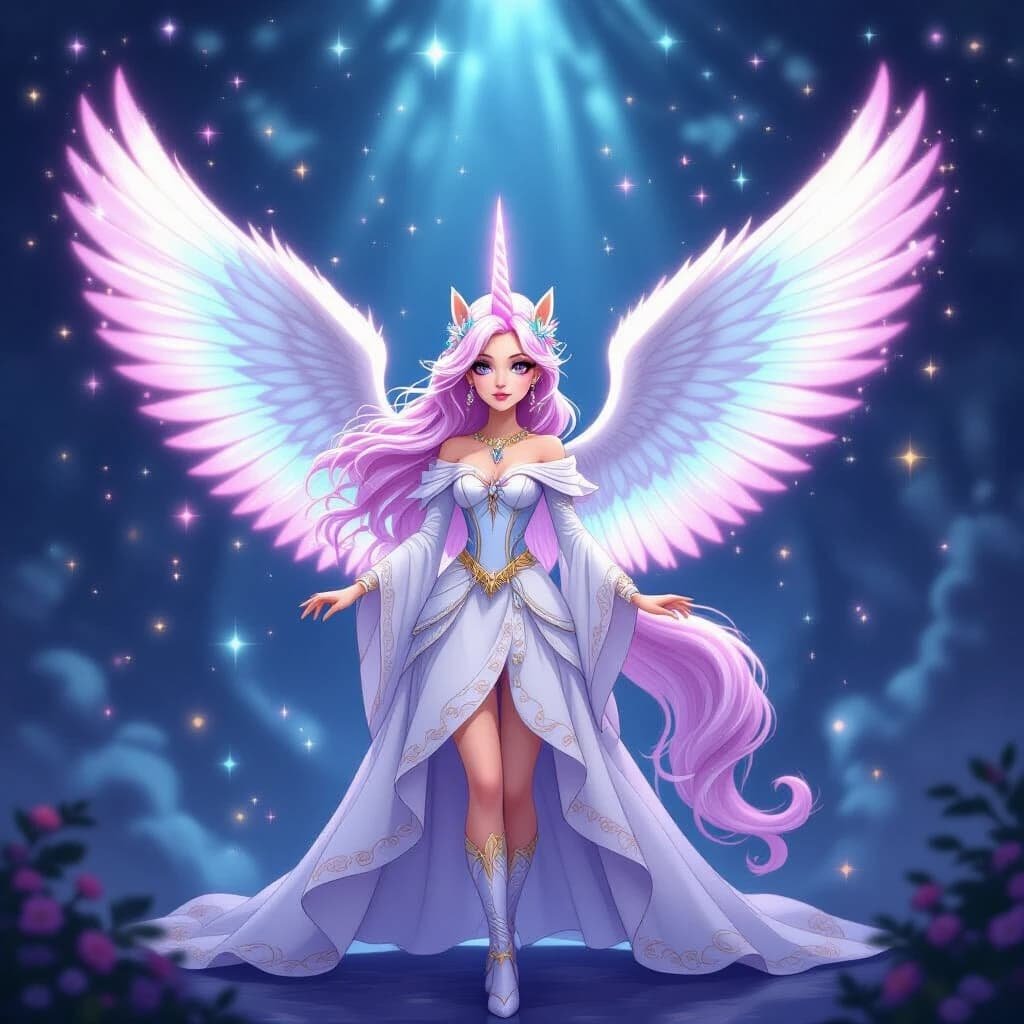
You’ve spent hours meticulously crafting every detail: the shimmering coat color, the unique cutie mark, a personality as vibrant as a rainbow, and a backstory richer than any tale Twilight Sparkle could spin. Your My Little Pony Original Character (MLP OC) is more than just an image; it’s a piece of your imagination brought to life. Now, the most exciting part begins: Sharing Your MLP OC Creations & Community. This isn't just about posting a picture; it's about connecting with a passionate fandom, inspiring others, and finding your place within a thriving creative ecosystem.
But how do you navigate this vast, colorful world? What are the best platforms? How do you ensure your art is seen, appreciated, and respected? As a seasoned guide to digital communities, I’m here to help you share your pony pride with confidence and joy.
At a Glance: Sharing Your MLP OC
- Why Share? Gain feedback, connect with fellow artists, find inspiration, build a portfolio, and contribute to the vibrant MLP fandom.
- Where to Share: Utilize diverse platforms like Instagram, X (formerly Twitter), Facebook, Discord servers, and dedicated art sites for maximum reach.
- How to Share Effectively: Use clear descriptions, engaging prompts, relevant hashtags, and high-quality images.
- Community Etiquette: Always credit inspiration, offer constructive criticism, be respectful, and engage genuinely.
- Protecting Your Work: Understand basic copyright, use watermarks wisely, and know how to handle art theft.
- Monetization & Trades: Learn how to offer commissions, sell adoptables, and engage in art trades safely and fairly within community guidelines.
The Genesis of Your OC: From Idea to Digital Canvas
Before you can share, you need something truly special to show off. In today's digital age, creating a unique MLP OC has never been more accessible. Tools like Pokecut's MLP OC maker, an AI-powered image generator, have revolutionized the process, allowing creators of all skill levels to bring their pony visions to life with remarkable ease.
Imagine describing your dream pony: perhaps a unicorn with a sapphire blue coat, a cutie mark of a crescent moon and a quill, a shy yet determined personality, intricate star patterns on her hooves, and a misty forest background. You type these details into a text prompt, select a style (cartoon, pixel, or even 3D), and choose your desired image size. Within moments, the AI generates a unique visual representation of your OC.
The beauty doesn’t stop at generation. Most sophisticated tools offer further customization through an integrated image editor. You can add speech bubbles to give your pony a voice, overlay text for a personalized touch, apply creative effects to enhance the mood, or even generate a personalized character card complete with their name, traits, and background story. This comprehensive creation process ensures that by the time you're ready to share, your OC is not just an image, but a fully fleshed-out character waiting to meet the world. If you're looking to dive into the creation process, you can easily Generate your MLP OC using these modern tools.
Why Share Your Creations? Beyond Just Likes
Sharing your MLP OC is about more than just boosting your ego with a few likes. It’s a multi-faceted endeavor that enriches both you and the community:
- Feedback and Growth: Constructive criticism is a gift. Other artists and fans can point out areas for improvement in your design, character concept, or even your art style, helping you grow as a creator.
- Community Connection: The MLP fandom thrives on shared passion. Sharing your OC opens doors to discussions, friendships, and collaborations with like-minded individuals who truly "get" your love for colorful ponies.
- Inspiration and Motivation: Seeing others' reactions to your work can be incredibly motivating. Conversely, seeing their creations can spark new ideas for your own projects. It's a two-way street of creative energy.
- Building a Portfolio: If you're an aspiring artist, designer, or storyteller, your MLP OCs can serve as vibrant entries in your creative portfolio, showcasing your imagination and technical skills.
- Storytelling Canvas: Your OC isn’t just a pretty picture; it’s a character waiting for a story. Sharing them can lead to role-playing opportunities, fanfiction collaborations, or even just lively discussions about their potential adventures.
- Contributing to the Fandom: Every unique OC adds to the rich tapestry of the My Little Pony universe, making the fandom even more diverse, imaginative, and exciting for everyone involved.
Where to Share: Navigating the Digital Watering Holes
The MLP community is widespread across various platforms, each with its own culture and best practices. Choosing where to share depends on your goals and the type of interaction you seek.
1. Social Media Giants: Instagram, X (formerly Twitter), Facebook
These platforms are excellent for broad reach, quick updates, and direct engagement.
- Instagram: Visually driven, Instagram is perfect for showcasing your OC's design.
- Best Practices: High-quality images are paramount. Use carousels to show different angles, expressions, or character cards. Engage with relevant hashtags like #MLPOC, #MyLittlePonyOC, #PonyOC, #FurryArt (if applicable), #DigitalArt, #CharacterDesign. Respond to comments and follow other MLP artists. Instagram Stories can be great for WIPs (Works in Progress) or quick polls about your OC.
- X (formerly Twitter): Ideal for quick shares, linking to longer content, and engaging in real-time discussions.
- Best Practices: Post your OC image with a brief, engaging caption. Ask questions to spark conversation ("What adventure do you think [OC's Name] would go on?"). Utilize relevant hashtags, and don't shy away from participating in MLP-related trends or art challenges. X is also great for sharing links to your full character sheets or art galleries elsewhere.
- Facebook: Best for joining dedicated MLP fan groups and pages, engaging in discussions, and sharing within a more curated community.
- Best Practices: Seek out active MLP OC groups. Read group rules carefully before posting. Engage genuinely with others' OCs, and don't just "dump" your art. Participate in themed events or contests organized by groups. Facebook can also be useful for creating a public page for your OC or art, allowing fans to follow your updates.
2. Discord Servers: The Community Hubs
Discord has become a central gathering place for many fandoms, offering real-time chat, dedicated art channels, and voice communication.
- Finding Servers: Search for "MLP Discord servers" or "Pony OC Discord" on Disboard or through fandom wikis. Many artists also link their Discord servers on their social media profiles.
- Best Practices:
- Read the Rules: Every server has unique guidelines. Understand them to avoid accidental infractions.
- Introduce Yourself: Many servers have an "introductions" channel. Take the time to say hello and share a bit about your interests.
- Use Dedicated Channels: Post your OC art in designated "art showcase," "OC sharing," or "pony art" channels. Avoid spamming general chat channels.
- Engage: Don't just drop your art and leave. Comment on others' work, offer positive feedback, and participate in discussions. This builds rapport and makes people more likely to check out your creations.
- Role-Playing (RP) Channels: Many servers have RP channels where you can bring your OC to life through collaborative storytelling. This is a fantastic way to develop your character's personality and interactions.
- Voice Chats: Some servers host art streams or casual voice chats. Joining these can be a great way to meet fellow creators and get live feedback.
3. Dedicated Art Platforms & Forums: DeviantArt, ArtStation, FurAffinity, Booru Sites
These platforms cater specifically to artists and often have robust tagging and categorization systems.
- DeviantArt: One of the oldest and largest online art communities, DeviantArt has a massive MLP presence.
- Best Practices: Create a detailed artist profile. Organize your OCs into galleries. Tag your art comprehensively (e.g., #MLP, #MyLittlePony, #OC, #OriginalCharacter, #FanArt, #PonyArt, #Unicorn, #Pegasus). DeviantArt is also excellent for joining groups dedicated to MLP OCs, participating in challenges, and finding inspiration. It's also a common place for commission journals and adoptable sales.
- ArtStation: While more geared towards professional concept art and game design, many artists use it to showcase high-quality character designs, including OCs.
- Best Practices: Focus on professional presentation. Show multiple angles, concept sketches, or turnarounds if your OC is very detailed. Good for artists seeking to build a professional portfolio.
- FurAffinity: A prominent platform for furry and anthropomorphic art, which often includes pony OCs due to shared aesthetic interests.
- Best Practices: Similar to DeviantArt in terms of tagging and gallery organization. Be aware of the site's content guidelines and user base.
- Booru Sites (e.g., Derpibooru): Imageboard sites often used for MLP fan content, including OCs.
- Best Practices: Be mindful of tagging conventions and content policies. These sites are generally more about image aggregation than community interaction, but can provide exposure.
Crafting the Perfect Share: Beyond Just the Image
A great image is just the beginning. To truly make your OC stand out and foster engagement, consider these elements:
- High-Quality Image: This should go without saying. Whether generated by AI or drawn by hand, ensure your image is clear, well-composed, and visually appealing. PNG is often preferred for crispness.
- Engaging Description: Don't just post the image and a name. Tell us about them!
- Name: Give them a memorable name.
- Species & Gender: Unicorn, Pegasus, Earth Pony, Alicorn, Kirin, etc.
- Personality: Are they shy, boisterous, wise, mischievous? Give us a glimpse.
- Cutie Mark & Meaning: What does it symbolize about them?
- Brief Backstory Hook: A sentence or two to pique interest. What’s their origin, their biggest dream, or their greatest fear?
- Fun Facts: Any quirks or unique talents?
- Call to Action (CTA): Encourage interaction.
- "What do you think of [OC's Name]?"
- "What kind of magic do you think they possess?"
- "Suggest a friend for them!"
- "Would you like to see more art of them?"
- Hashtags: Crucial for discoverability. Use a mix of broad and specific tags (e.g., #MLPOC #PonyOC #UnicornOC #OriginalCharacter #DigitalArt #FanCharacter).
- Character Cards: As mentioned with tools like Pokecut, generating a character card with key stats and traits can be an incredibly effective way to share your OC's details concisely and engagingly. It gives others an "at a glance" summary that’s easy to digest.
The Art of Community: Engagement & Etiquette
Sharing is a dialogue, not a monologue. Active participation is key to a rewarding community experience.
Giving and Receiving Feedback
- When Receiving: Be open-minded. Not all feedback will be positive, but constructive criticism can be invaluable. Thank people for their comments, even if you don't agree. Don't argue or become defensive. Remember, it's about growth.
- When Giving: Be kind, specific, and constructive. Instead of "This looks bad," try "I think the wing anatomy could be improved if you referenced real bird wings for structure." Focus on the art, not the artist. Always start with something positive!
Crediting and Inspiration
- Credit Your Bases/Inspiration: If you used a base (a line art template), always credit the original artist. If your OC's design was heavily inspired by another work, a polite mention can go a long way.
- Art Theft: This is a serious issue. If you see your art being used without permission, politely contact the user first. If that fails, most platforms have reporting mechanisms. Watermarking your art can deter theft, but remember a watermark can often be cropped or edited out. It's a deterrent, not a foolproof shield. For complex matters, consult legal advice, but for most hobbyists, community reporting is the primary tool.
Dealing with Negativity and Trolls
Unfortunately, the internet has its share of negativity.
- Don't Feed the Trolls: The best way to deal with genuinely malicious comments is often to ignore them or block the user.
- Distinguish Criticism from Hate: Learn to differentiate between someone offering genuine (even if harsh) criticism and someone simply trying to be hurtful.
- Community Moderation: Most good communities have moderators. Don't hesitate to report users who violate rules or engage in harassment.
Monetization & Trading: When Your OC Becomes a Commodity
The MLP community isn't just about sharing; it's also a place where artists can offer commissions, create "adoptables" (pre-designed characters for sale), or engage in art trades.
Understanding the Rules of Exchange
The ground rules are crucial here, especially regarding the value of OCs. As established by community norms and often platform policies:
- Ponies for Sale: If you're selling a pre-designed OC (an adoptable) or taking commissions for custom OCs, offers must be more than 15 (this often refers to a minimum monetary value, typically USD or equivalent points on art sites). This ensures a baseline value and discourages undervaluing artistic effort.
- Art as Payment: Many artists accept art as payment for commissions or adoptables. This is a common and cherished form of exchange within art communities. For example, you might "pay" for a new adoptable by drawing a full-body picture of the original creator's OC.
- Characters as Payment: Crucially, characters will not be accepted as payment. This means you cannot offer an existing OC of yours to "buy" another OC or commission. This rule prevents a confusing and often unfair devaluation of original character designs, where the perceived value can be highly subjective and lead to disputes. It helps maintain a clearer economy based on monetary value or direct artistic effort.
Types of OC-Related Commerce
- Adoptables: These are OCs you've designed from scratch, which you then sell to someone else who "adopts" them and becomes their new owner.
- Best Practices: Create a clear design sheet. Set a firm price or run an auction. State clear rules for adoption (e.g., "The owner gets full rights to the character but must credit the original designer for the design").
- Commissions: You create custom art of another person's OC (or your own) for a fee.
- Best Practices: Have a clear price sheet for different art types (headshot, full-body, background, multiple characters). Provide examples of your work. Have a clear communication process (WIPs, revisions). Establish payment terms (e.g., "50% upfront, 50% upon completion").
- Art Trades: Two artists agree to draw something for each other (e.g., you draw their OC, they draw yours).
- Best Practices: Discuss expectations beforehand (e.g., "full-body, colored, no background"). Set a reasonable timeframe. Always deliver on your end of the bargain.
- YCH (Your Character Here) Auctions: You draw a pose or scene with a blank character slot, and people bid to have their OC drawn in that slot.
- Best Practices: Provide a clean sketch of the YCH. Set a starting bid and minimum bid increments. Clearly state what's included (e.g., "flat color, simple background").
Common Questions & Misconceptions About Sharing Your OC
Q: How do I get my OC noticed in such a big fandom?
A: Consistency is key! Share regularly, use relevant hashtags, engage with other artists' work, and participate in community events or art challenges. Don't be afraid to cross-post to multiple platforms. High-quality art with engaging descriptions always helps.
Q: What if someone steals my OC or copies my design?
A: It's a legitimate concern. Watermarking your art can deter casual theft. If serious theft occurs, most platforms have reporting tools. In the broader sense, while ideas can't be copyrighted, specific artistic expressions can. The best defense is often a strong community that recognizes your original work and supports you. Focus on creating more and evolving your style.
Q: Can I sell fan art of existing MLP characters?
A: This is a grey area due to copyright. Generally, selling art of officially copyrighted characters without permission is against copyright law. However, fan communities often have a "don't ask, don't tell" tolerance for small-scale fan art sales. Selling your own original characters (OCs) is usually fine, as long as they don't infringe on trademarks (e.g., calling them "My Little Pony" officially). When in doubt, it's safer to focus on selling your own unique designs or commissions of other people's OCs.
Q: How do I avoid drama in the community?
A: Be respectful, empathetic, and don't engage in gossip or negativity. Focus on your art and positive interactions. If you encounter drama, step away from it. Most communities value harmony.
Q: Should I create a dedicated social media account just for my MLP OCs?
A: If you plan to share a lot of OC content and want to build a specific brand around it, then yes, a dedicated account can help. It keeps your content focused and attracts an audience specifically interested in ponies. However, if you have diverse artistic interests, a general art account with proper tagging works too.
Your Next Chapter: A World of Pony Possibilities
Sharing your MLP OC creations is a journey that can lead to incredible friendships, artistic growth, and a deeper connection to a fandom that celebrates imagination. From the moment you finalize your character’s design with advanced tools to the thrill of seeing your art appreciated on Discord or Instagram, every step is an opportunity to contribute to a vibrant, imaginative world.
Remember, the MLP community is built on a foundation of creativity and mutual support. Be kind, be open, and be authentically you. Your unique pony has a story to tell, and the fandom is eager to listen. So, take that leap, share your magic, and watch as your OC finds its place among the stars.